Shopping for a used car in San Joaquin County is easier when you follow a simple plan. This Car Buying Guide for San Joaquin CA walks you through every step, from setting a budget and comparing models to checking vehicle history and finalizing paperwork. Whether you drive daily on I 5 or Highway 99, commute between Stockton, Tracy, Manteca, and Lodi, or need a family ready SUV, you will find clear tips tailored to local driving. Explore inventory wisely, understand total cost of ownership, and learn what to expect with California smog rules and registration. Use recent sales to benchmark a fair price, and line up financing so your decision focuses on value. When you are ready to explore vehicles, visit used inventory and see recent sold inventory to compare real world pricing and features.
Building your plan around financing can help narrow choices quickly. Learn how prequalification, down payment, and term length affect your monthly budget and overall cost. Review our local financing resources for traditional loans and flexible programs for credit rebuilding. Understand documents to bring, how rates are determined, and ways to strengthen an approval before you shop.
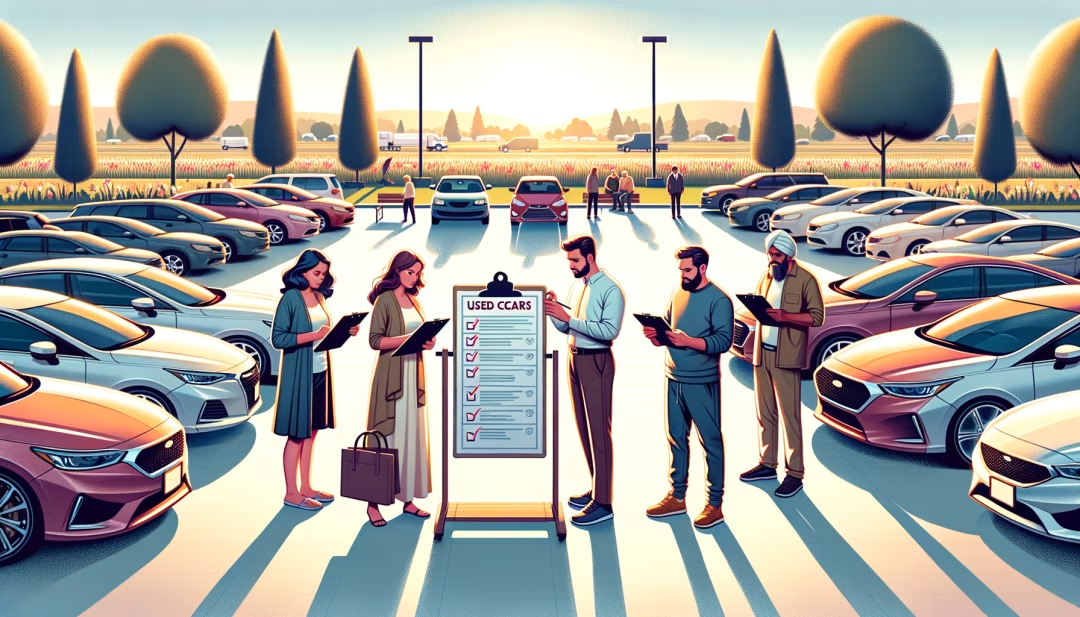
San Joaquin County blends busy freeway miles with suburban streets and rural backroads, which means the right used car depends on your routes and routines. This in depth guide gives you a local first approach to selection, pricing, financing, inspections, and paperwork so you can buy with confidence.
Start with a monthly number you can comfortably afford, then work backward to the total price. Remember that the total cost of ownership includes insurance, fuel, routine maintenance, registration, and any extended protection you might choose. California sales tax and DMV fees apply on most dealer purchases, so factor them into your target price. If you commute on I 5 or Highway 99, fuel economy can significantly affect your monthly spend. For rural errands and weekend trips, consider ground clearance and tire costs as well.
Being prepared makes financing smoother. Review your credit profile, gather pay stubs or income verification, and bring a recent utility bill for proof of residence. If you are building or rebuilding credit, a larger down payment can lower your monthly cost and may improve approval odds. Many lenders offer competitive options for San Joaquin County buyers, including flexible programs designed to help you start or strengthen your auto credit history.
Think about where and how you drive. For long freeway commutes, look for quiet cabins, adaptive cruise control, and excellent fuel economy. For weekend trips that mix vineyards, levee roads, and foothill drives, consider all wheel drive, comfortable suspension tuning, and strong air conditioning for Central Valley summers. Focus on reliability records, maintenance cost trends, and parts availability. If you plan to tow a small trailer or boat, confirm rated towing capacity and necessary equipment.
Target a price using recent local sales and active listings. Compare similar mileage, trim, options, and condition. Review historic pricing to understand seasonal swings, then decide a fair range before you visit the lot. This approach helps you move confidently when you find the right vehicle.
Always review a vehicle history report to confirm past ownership, title status, odometer readings, and prior accident or damage events. A pre purchase inspection by a trusted technician can reveal leaks, brake wear, and suspension issues that are not obvious on a quick drive. On your test drive, include freeway, stop and go, rough pavement, and a safe braking check. Listen for wind noise on I 5, evaluate cabin quietness at Highway 99 speeds, and confirm strong air conditioning in mid day heat. If you plan to carry passengers or cargo, test seat folding and load floor access.
California requires most gasoline vehicles to pass a smog inspection at the time of sale. Dealers typically handle this step before delivery, and the certificate is valid for a limited period. Diesels and hybrids have different testing paths depending on year and configuration. Confirm that the emissions label under the hood indicates compliance for sale in California. For title and registration, the dealer will normally submit documents electronically and collect applicable fees. If you are trading in a vehicle, bring your title or lender information so the payoff can be processed accurately.
Present your research and stay focused on the out the door figure, which includes price, tax, fees, and optional products if you choose any. Separate discussions of trade in value and financing to keep comparisons clear. If the vehicle is fairly priced, ask about any reconditioning performed, warranty coverage, or service plans that might add long term value for your driving pattern.
Bring your driver license, proof of insurance, and any financing documents or approvals. If financing at the dealership, you may be asked for proof of income and residence. Verify that the Buyer Guide, contract, and fee disclosures are complete and accurate. Keep copies of all signed documents. Ask how to receive your registration and plates, and confirm when they will arrive.
Set reminders for routine service based on your model and mileage. Check tire tread and pressure monthly to improve safety and fuel economy. Consider a protective interior mat set for agricultural dust and weekend outings. If you park outdoors, periodic washes and wax help protect paint from sun exposure common in the Central Valley.
Maximize your trade by gathering service records, fixing low cost items like bulbs or wipers, and presenting a clean vehicle. Know your payoff amount if there is an existing loan. Request a market based offer that reflects mileage, options, and condition. If you have seasonal floor mats, roof racks, or an extra key, bring them to capture full value.
Shop insurance quotes using the VIN for the specific car you are considering. If you are financing, your lender will require comprehensive and collision coverage. Consider gap protection if your down payment is low or your loan term is long. For high mileage vehicles, weigh the cost of a service contract against the model’s repair patterns and your driving volume.